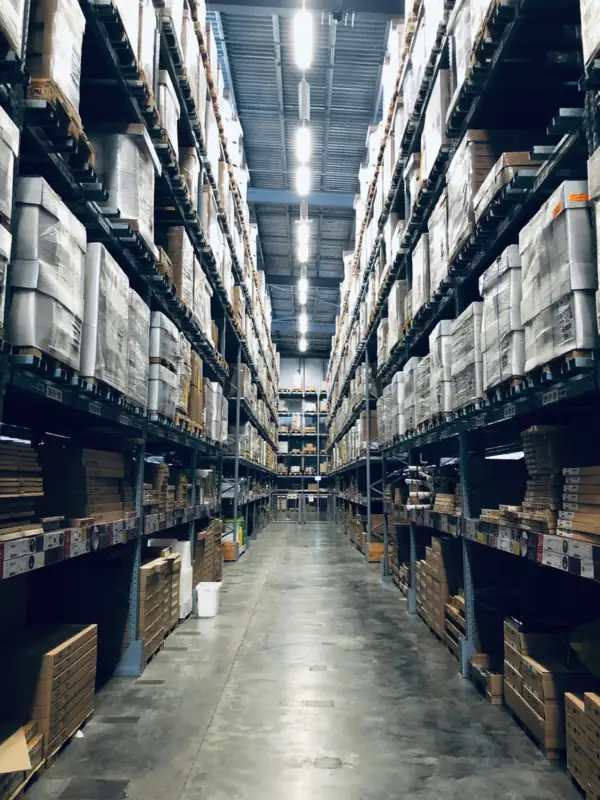
A cold room that fails at 2am is usually discovered at 8am, when the stock is already lost. Continuous monitoring moves that discovery to 2:05.
Where sensors go
- Cold rooms and freezers
Food distributors, restaurants, central kitchens and pharmacies.
- Warehouses
Ambient storage where heat and humidity damage goods in the Saudi summer.
- Refrigerated trucks
Temperature on the road, next to the vehicle's location. Pair it with refrigerated truck tracking.
How alerts work
- Set the rangeFor example 2–8 °C for medicines or below −18 °C for frozen food, plus humidity limits.
- Detect quicklyReadings every few minutes. Door-open sensors catch the most common cause of warming.
- EscalateAlerts by app and SMS to the shift supervisor, then to a manager if nobody acknowledges.
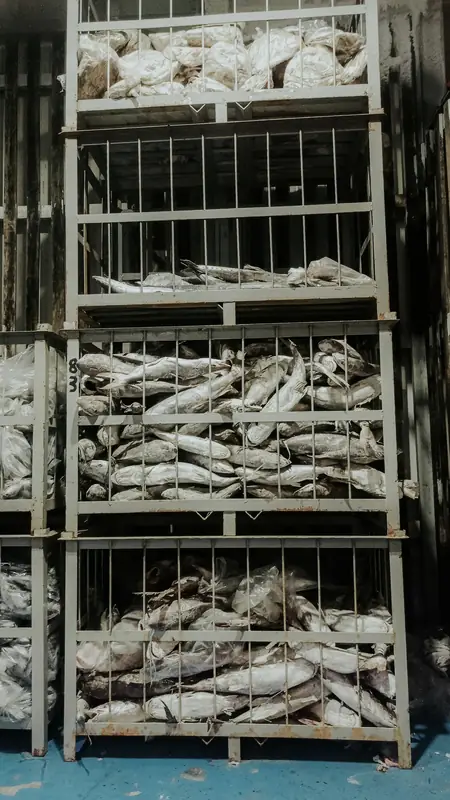
Monitoring vs. mapping
Monitoring watches your rooms every day. Mapping comes first: it finds the hot and cold spots so you know where sensors belong and where not to store sensitive goods. We run thermal mapping studies for warehouses and vehicles.
Reports for inspections
Every reading is stored with its time and sensor ID. Export daily or monthly temperature logs for customers, auditors or food and drug inspectors in a couple of clicks.
Tell us how many rooms, freezers and trucks you run. We will recommend the sensor layout and show the alert flow before you commit.